
Eco-Friendly & Sustainable Developments in Puerto Escondido: 2026 Guide
Sustainable real estate Puerto Escondido is no longer a niche segment — it is the direction the entire coastal market is moving. Where developers once cleared jungle and poured generic concrete slabs, the projects attracting the most serious buyer interest in 2026 are ones designed around cross-ventilation, rooftop solar, rainwater collection, and native landscaping. That shift is happening in condos priced for international buyers, in mid-range houses, and on raw lots where forward-thinking owners are setting eco-build specifications before breaking ground.
For anyone researching property here — whether as a full-time home, a short-term rental, or a long-term land hold — understanding what distinguishes a genuinely sustainable development from a greenwashed one is increasingly central to making a sound purchase.
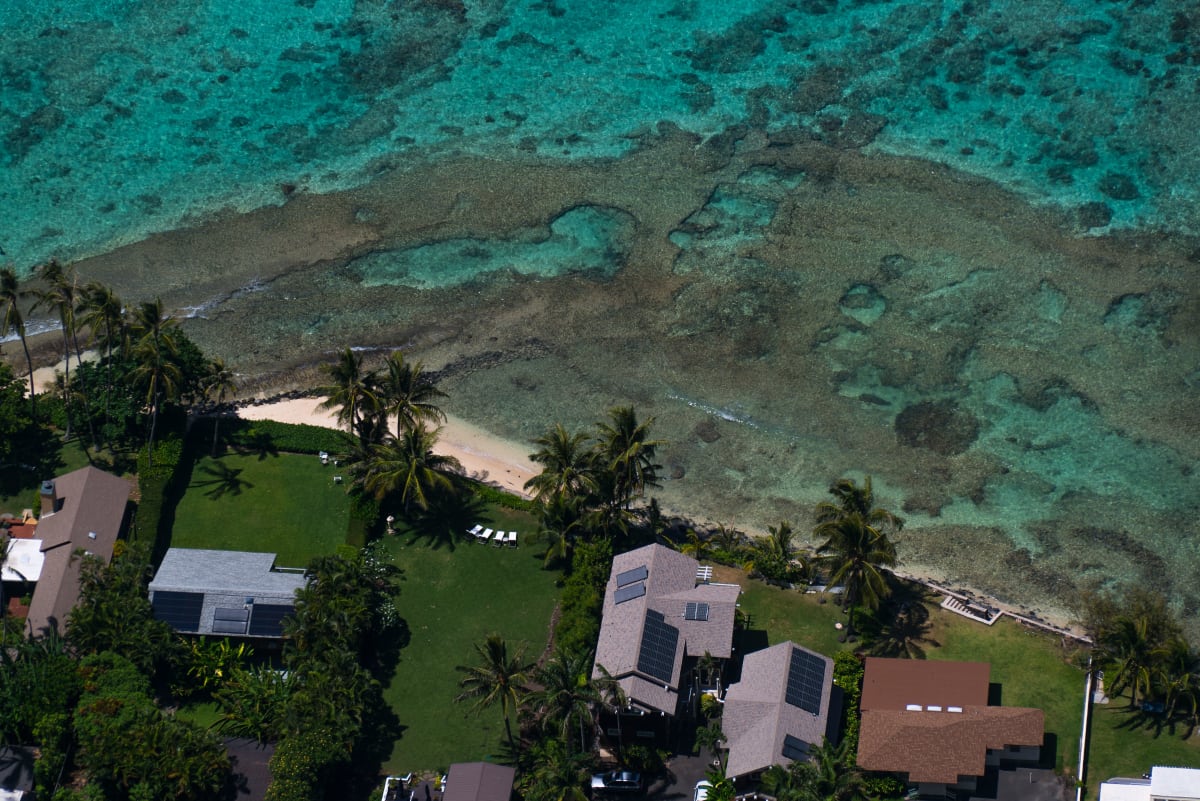
Why Green Builds Are Outperforming the Conventional Market
Three forces are pushing sustainable design from a premium add-on into a baseline expectation for well-researched buyers.
Grid reliability is still a real issue. Puerto Escondido's electrical infrastructure, while improving, still drops during Pacific storm season and peak demand weeks. Buyers who paid top dollar for beachfront condos only to face multi-day outages during their highest-earning rental periods understand the value equation quickly. Developers who build solar plus battery backup at the project level — rather than leaving it to individual unit owners — are consistently commanding 12–18% price premiums over comparable conventional builds in the same neighborhoods.
Rental income math favors low-overhead properties. Short-term rental platforms now surface eco-credentials as searchable filters. Properties with documented sustainability features report longer average booking windows and lower cancellation rates among the higher-spending traveler segment that drives Puerto Escondido's high season. More practically: a build where solar keeps electricity bills near zero and a cistern covers most water needs means the rental margin holds even when occupancy softens. That is a structural advantage over conventional builds, not a marketing talking point.
Permitting momentum is shifting. Oaxaca's state government and the San Pedro Mixtepec municipality are increasingly conditioning construction approvals on environmental impact assessments. Builds that incorporate passive cooling, gray-water recycling, or green-certified materials are moving through the approval queue with less friction — reducing developer timelines and cost overruns, savings that flow into finish quality and delivery certainty for buyers.
Browse Available Properties
Find Your Place in Puerto Escondido
Beachfront lots, ocean-view condos, and income-generating vacation rentals — updated daily.
View All PropertiesWhat Eco-Friendly Developments Actually Look Like Here
Sustainability on the Oaxacan Pacific coast has a specific character shaped by the climate: temperatures that rarely exceed 34°C, a strong prevailing ocean breeze, abundant sun almost year-round, and a rainy season from June through October that delivers significant rainfall but also stresses drainage. Good sustainable design uses all four of those realities.
Bioclimatic Design
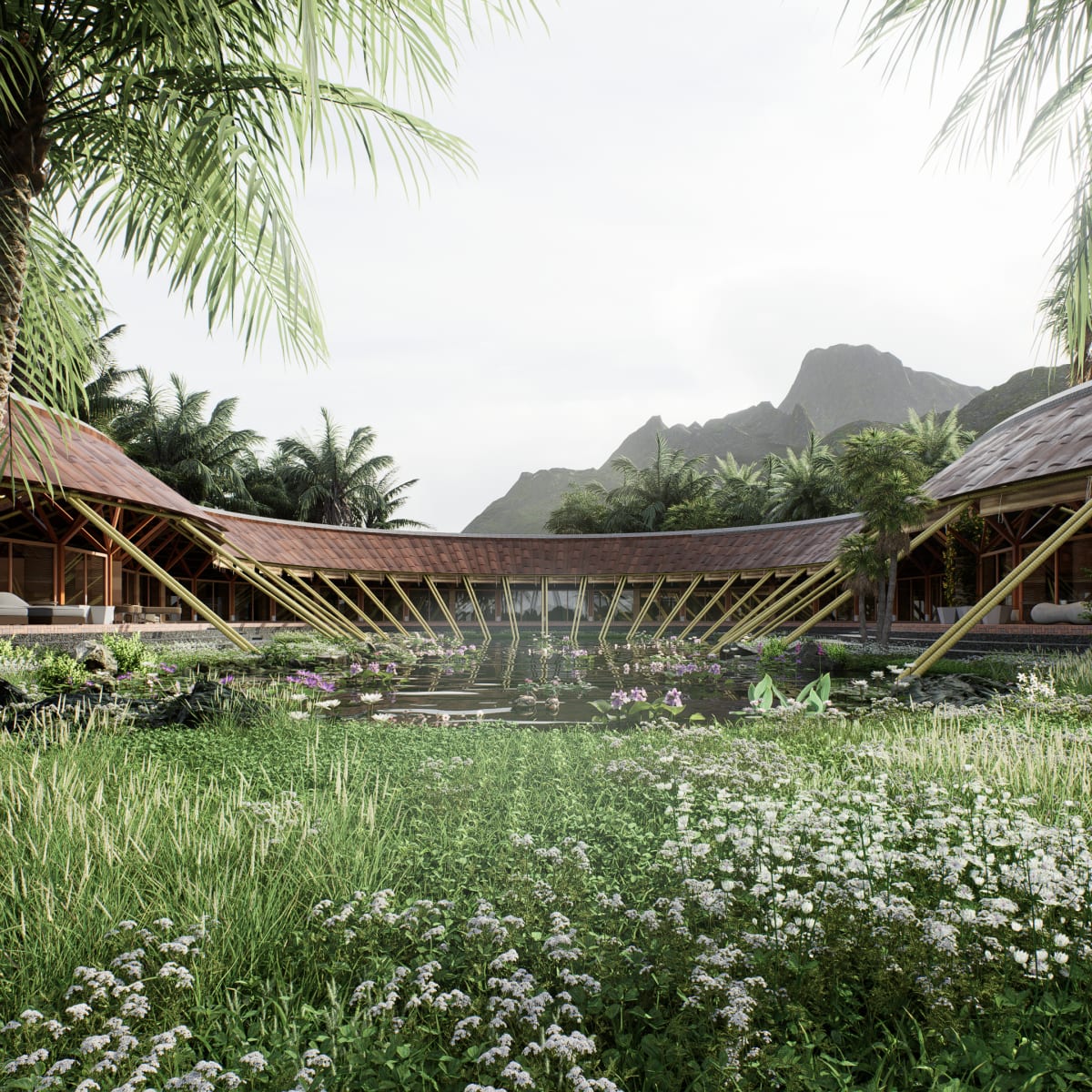
The best projects orient buildings to catch the evening land-sea breeze, use deep roof overhangs to block midday sun on west-facing glass, and position interior volumes for natural stack ventilation. The result: comfortable temperatures without mechanical air conditioning for 8–9 months of the year. Palapa-style roofs using locally sourced palma de coco provide excellent insulation and connect aesthetically to the region's building vernacular — a detail that also resonates with rental guests drawn to authentic coastal character.
Solar and Off-Grid Systems
With approximately 300 sunny days per year, solar PV is not aspirational in Puerto Escondido — it is practically mandatory for any premium development. Leading projects are spec'ing 5–8 kW rooftop systems paired with lithium battery banks sized to carry through two-day cloudy periods. Some larger developments are pursuing full off-grid capability, positioning their units as resilient even during extended grid failures. For buyers running short-term rentals, the reduction in utility overhead is material: electricity and water together can represent 15–20% of gross rental income in a conventional build.
Water Systems and Native Landscaping
Rainwater collection from large-footprint roofs, fed into buried cisterns sized at 10,000–20,000 liters, covers most domestic water needs during the rainy season. Gray-water recycling — routing sink and shower water into drip-irrigation systems — reduces potable water draw further. Native and drought-adapted species (bougainvillea, agave, copal, local palms) replace water-hungry imported turf, eliminating irrigation costs and supporting local pollinators. For buyers focused on operating costs, this is where the numbers compound most quickly.
Browse Available Properties
Find Your Place in Puerto Escondido
Beachfront lots, ocean-view condos, and income-generating vacation rentals — updated daily.
View All PropertiesThe Investment Case in Numbers
Eco-labeled properties are not just selling for more — they are also delivering better net yields on the short-term rental market. The table below reflects observed market data from listings and rental operators active in Puerto Escondido in 2025–2026:
| Feature | Conventional Build | Eco-Certified Build |
|---|---|---|
| Purchase price premium | — | +12–18% |
| Monthly electricity cost | USD $80–$200 | USD $0–$20 |
| Monthly water cost (high season) | USD $30–$80 | USD $5–$15 |
| STR daily rate premium | — | +8–14% |
| Permitting speed | Standard queue | Expedited review |
| Resale demand trend (2026) | Stable | Rising |
For independent benchmarking on what green-building standards mean for property performance globally, the World Green Building Council's research on green building value documents similar premiums in comparable emerging coastal markets. Puerto Escondido is not an outlier — it is catching up to a well-documented global pattern. To understand what a dollar-denominated budget buys across all property types today, see what USD 100,000 buys in the Puerto Escondido market right now.
Where Sustainable Builds Are Concentrating
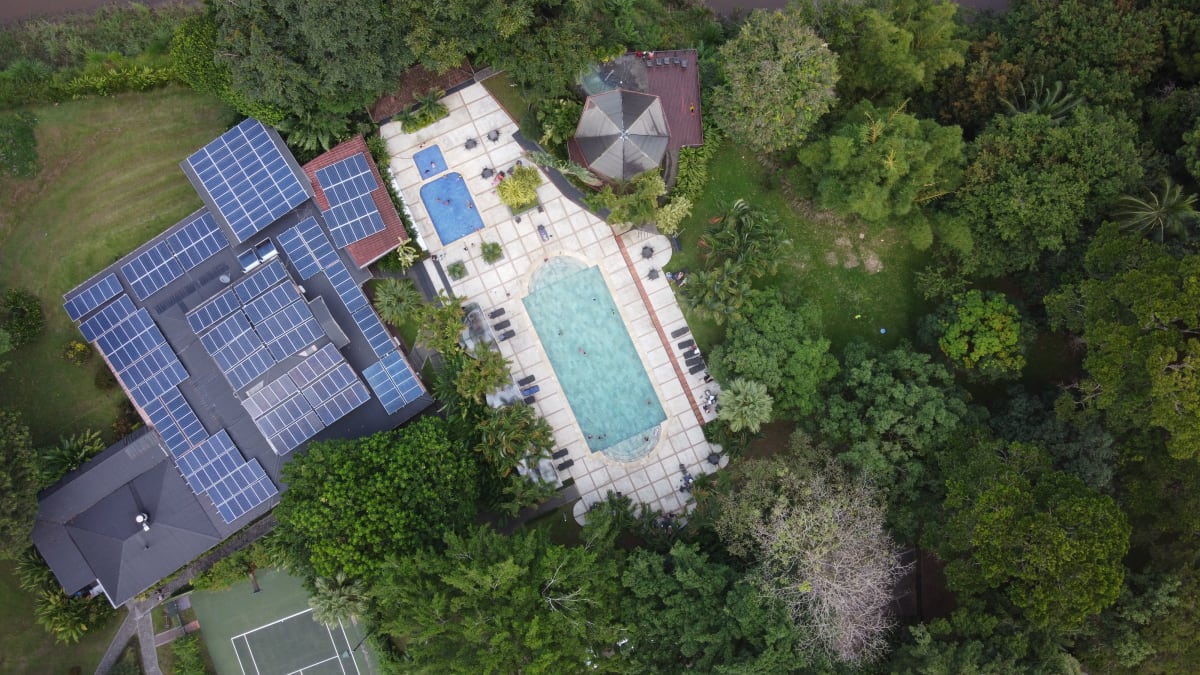
Not all of Puerto Escondido is developing at the same pace or with the same design philosophy. Eco-forward construction is clustering in several specific zones — each with a different buyer profile and entry price.
- La Punta Zicatela — Boutique condos using reclaimed wood, bamboo, and rooftop solar dominate here. Small footprint, high finish, premium short-term rental yields. Eco-certified units in this zone rarely sit unsold for long given the constrained inventory.
- Bacocho — Larger houses and villas on generous lots where full rainwater systems, cisterns, and solar are increasingly standard. The international buyer base here rewards green credentials strongly and has pushed the neighborhood toward the highest per-square-meter values outside La Punta.
- Brisas de Zicatela and growth corridors — Raw land where buyers are setting eco-build specs from scratch. Lower entry price, full autonomy over design, and strong long-term appreciation potential as the corridor develops. The 2026 airport expansion is expected to accelerate demand across these outer zones on an 18–36 month lag.
- Carrizalillo — Limited in scale but home to some of the best-executed bioclimatic designs in the region. Constrained supply keeps values high and turnover low.
Browse Available Properties
Find Your Place in Puerto Escondido
Beachfront lots, ocean-view condos, and income-generating vacation rentals — updated daily.
View All PropertiesFAQ: Sustainable Real Estate Puerto Escondido
Are sustainable properties in Puerto Escondido more expensive to buy?
On average, yes — by roughly 12–18% over a comparable conventional build in the same neighborhood. That premium erodes quickly when you account for lower utility costs and higher achievable short-term rental rates. Most buyers who run the full 5-year ownership math find the eco-premium cost-neutral or better within the holding period.
What green certifications apply to Puerto Escondido real estate?
Mexico does not yet have a dominant national eco-label equivalent to LEED at the residential level. Most legitimate eco-builds here are self-certified through documented system specifications: solar size and battery capacity, cistern volume, gray-water routing, and native species lists for landscaping. Ask for technical drawings and equipment spec sheets — they are better evidence than a marketing badge.
How does solar work during the rainy season in Puerto Escondido?
The rainy season (June–October) in Puerto Escondido is characterized by intense but often brief rainfall events, not full overcast days. Solar production drops roughly 20–30% compared to peak dry-season months, but well-sized systems with adequate battery storage handle the reduction without meaningful impact on daily function. CFE grid connection provides backup where full off-grid operation is not specified.
Do eco-friendly homes get better rental rates on Airbnb?
Yes, measurably. Properties with documented green features — solar, rainwater, natural ventilation, native gardens — command 8–14% higher daily rates from the demographic that searches for them. They also attract repeat guests and longer minimum stays, which reduces vacancy between bookings and lowers the cost of re-listing.
Is the municipality actually enforcing environmental regulations for new builds?
More than it was. Enforcement is still uneven — smaller informal builds can slip through — but any project requiring a significant construction permit in the coastal zone now faces environmental review with real consequences. Developers working with architects who understand the EIA (Estudio de Impacto Ambiental) process have a clear advantage in timeline and cost over those who do not.
Browse Available Properties
Find Your Place in Puerto Escondido
Beachfront lots, ocean-view condos, and income-generating vacation rentals — updated daily.
View All PropertiesAre sustainable properties in Puerto Escondido more expensive to buy?
On average, yes — by roughly 12–18% over a comparable conventional build in the same neighborhood. That premium erodes quickly when you account for lower utility costs and higher achievable short-term rental rates. Most buyers who run the full 5-year ownership math find the eco-premium cost-neutral or better within the holding period.
What green certifications apply to Puerto Escondido real estate?
Mexico does not yet have a dominant national eco-label equivalent to LEED at the residential level. Most legitimate eco-builds here are self-certified through documented system specifications: solar size and battery capacity, cistern volume, gray-water routing, and native species lists for landscaping. Ask for technical drawings and equipment spec sheets — they are better evidence than a marketing badge.
How does solar work during the rainy season in Puerto Escondido?
The rainy season (June–October) is characterized by intense but often brief rainfall events, not full overcast days. Solar production drops roughly 20–30% compared to peak dry-season months, but well-sized systems with adequate battery storage handle the reduction without meaningful impact on daily function. CFE grid connection provides backup where off-grid operation is not specified.
Do eco-friendly homes get better rental rates on Airbnb?
Yes, measurably. Properties with documented green features — solar, rainwater, natural ventilation, native gardens — command 8–14% higher daily rates from the demographic that searches for them. They also attract repeat guests and longer minimum stays, which reduces vacancy between bookings.
Is the municipality actually enforcing environmental regulations for new builds in Puerto Escondido?
More than it was. Enforcement is still uneven, but any project requiring a significant construction permit in the coastal zone now faces environmental review with real consequences. Developers working with architects who understand the EIA (Estudio de Impacto Ambiental) process have a clear advantage in timeline and cost over those who do not.