



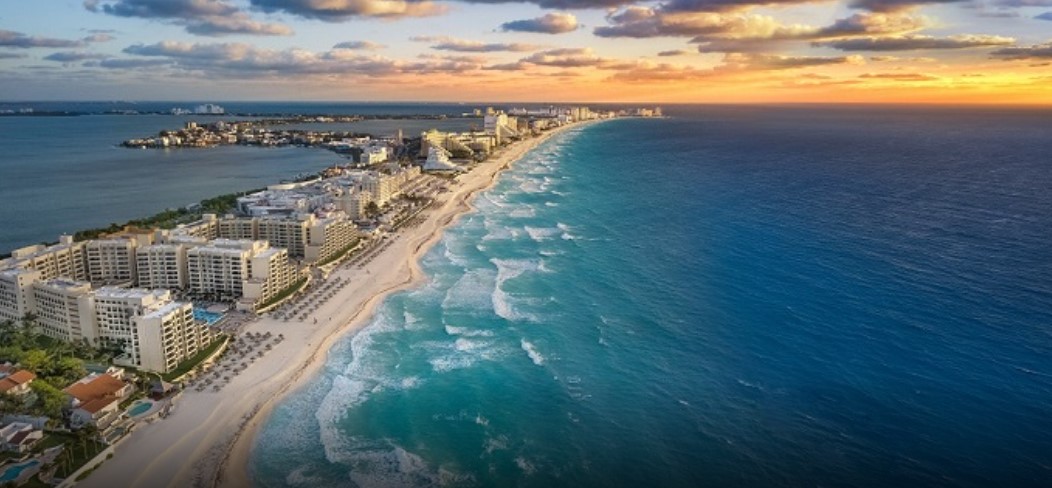
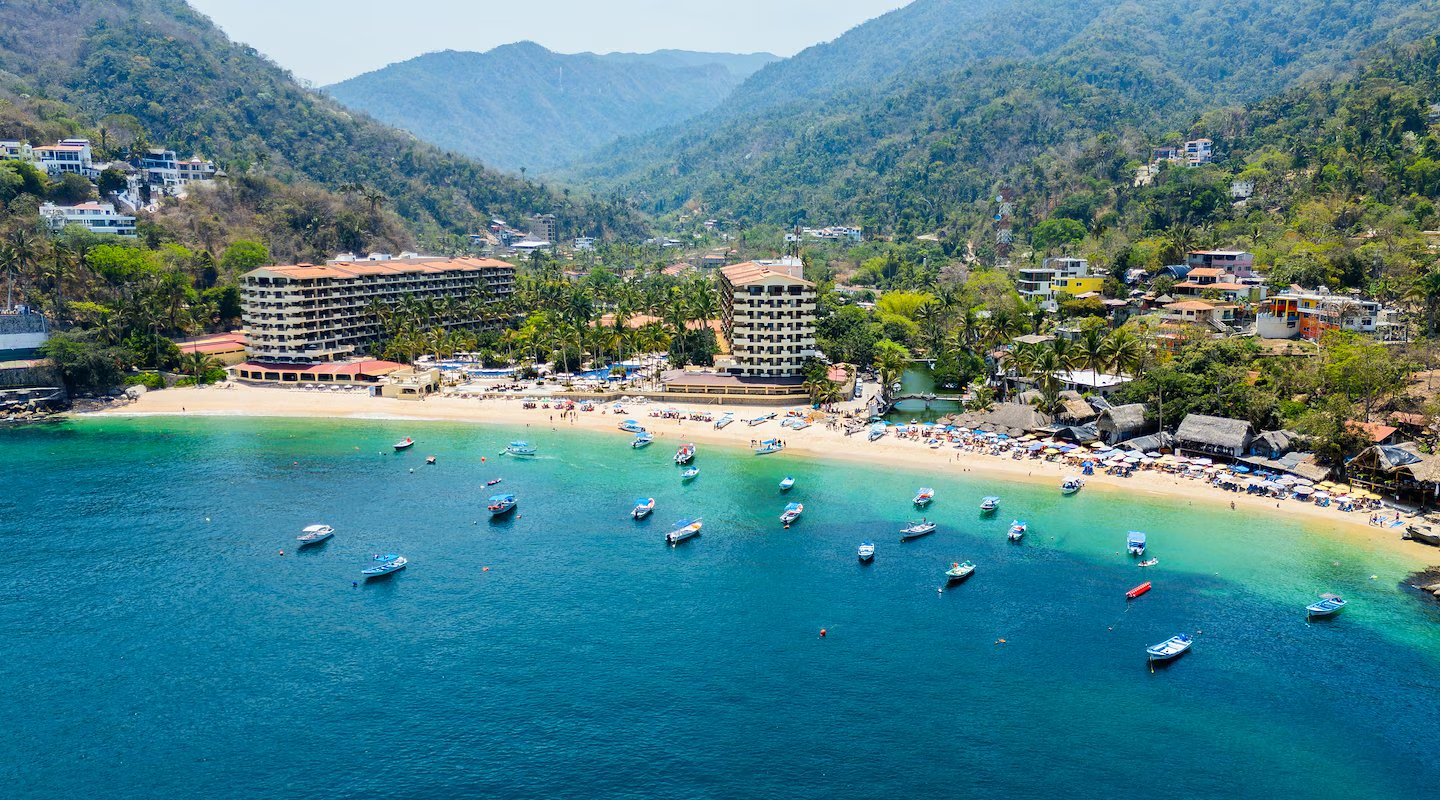
When international buyers and investors start exploring Mexico’s Pacific coast real estate market, two destinations tend to dominate the conversation: Puerto Vallarta, the long-established resort capital of Jalisco, and Puerto Escondido, the fast-rising surf town on Oaxaca’s southern coast. Both offer oceanfront living, strong rental demand, and genuine lifestyle appeal — but the investment dynamics, entry points, and growth trajectories could not be more different. This guide breaks down the key differences so you can decide which destination truly fits your goals.
Two Pacific Destinations, Two Entirely Different Markets
Puerto Vallarta has been a premier international real estate destination for decades. Nestled along Banderas Bay in Jalisco, it benefits from a mature infrastructure, a deeply established expat community, direct international flights from dozens of North American and European cities, and a sophisticated MLS system that gives buyers and sellers transparent market data. According to industry analysts, condominiums account for roughly 60 to 65% of all residential sales in Puerto Vallarta, with two-bedroom units being the most transacted property type. Property values appreciated approximately 15% over the 24 months leading into 2025, though the market is now showing signs of consolidation after the post-pandemic boom years.
Puerto Escondido sits at the opposite end of the spectrum — not in terms of quality or lifestyle, but in terms of market maturity. Until very recently, the town was largely known to surfers, backpackers, and adventurous travelers drawn to beaches like Zicatela and Carrizalillo. That reputation is changing rapidly. Tourism numbers surged by more than 35% in 2024, the new Barranca Larga-Ventanilla highway cut travel time from Oaxaca City to roughly two and a half hours, and United Airlines launched its first direct international route from Houston to Puerto Escondido in April 2025 — a milestone that mirrors what happened to Cabo San Lucas and Puerto Vallarta themselves when direct flights were first established. The real estate market is responding accordingly, with annual appreciation rates estimated between 15 and 25% in the most active zones.
Understanding both markets side by side is essential before committing capital. The differences in entry cost, legal context, rental yield potential, and long-term growth runway are significant, and the “better” destination depends almost entirely on what you are trying to achieve as an investor or homeowner.
Market Maturity and Infrastructure
Puerto Vallarta: Established and Liquid
Puerto Vallarta’s real estate ecosystem is one of the most developed on Mexico’s Pacific coast. The city has a functioning Multiple Listing Service through MLSVallarta, a dense network of licensed agents affiliated with AMPI (Asociación Mexicana de Profesionales Inmobiliarios), and strong legal precedent for foreign ownership through the fideicomiso trust system. International buyers from the United States, Canada, and Europe have been purchasing property here for over 40 years, and the market has developed the depth and liquidity that comes with that history. Average days on market as of late 2025 hovered around 270 days for residential properties, which tells you that while demand is real, supply has grown considerably since the pandemic surge.
The airport handles direct flights from Los Angeles, Dallas, Houston, New York, Chicago, Toronto, Vancouver, and London, among others. The new four-lane highway from Guadalajara reduced overland travel time by roughly 25%. Hospitals, international schools, shopping centers, and a robust service industry have been in place for decades. For buyers who prioritize convenience, medical access, and an immediately functioning lifestyle, Puerto Vallarta delivers on every front.
Puerto Escondido: Emerging and Fast-Moving
Puerto Escondido’s infrastructure story is still being written, and that is precisely where the opportunity lies. The Barranca Larga-Ventanilla highway, inaugurated in February 2024, was a transformational development that connected the coast to Oaxaca City — Mexico’s seventh-largest metropolitan area and one of its most culturally vibrant — in a fraction of the previous travel time. The international airport is currently undergoing a major renovation designed by celebrated architect Alberto Kalach. The United Airlines Houston route launched in April 2025 and represents the beginning of what many analysts expect to be a significant expansion of direct international air connectivity.
Healthcare facilities are improving, with new clinics and a growing network of private medical services, though the level of specialized care available does not yet match Puerto Vallarta. International schools are limited but expanding. Internet connectivity has improved considerably over the past three years, making the destination increasingly viable for remote workers and digital nomads. The town’s relatively small permanent population — combined with rapid tourism growth — means that real estate development is actively racing to catch up with demand, which is a classic early-stage investment signal.
Explore the current inventory of all available properties in the Oaxaca coast region to get a sense of the range of options currently on the market.
Property Types and What the Market Offers
| Category | Puerto Vallarta | Puerto Escondido |
|---|---|---|
| Dominant property type | Condominiums (60–65% of sales) | Condos, villas, land parcels |
| Entry-level condo | From approx. USD 200,000 | From approx. USD 120,000 |
| Mid-range beachfront condo | USD 250,000–700,000 | USD 200,000–400,000 |
| Luxury / beachfront villa | USD 700,000–2,000,000+ | USD 400,000–900,000+ |
| Land investment | Very limited availability | Strong availability, rapid appreciation |
| Pre-construction market | Active, well-regulated | Rapidly expanding |
| Market maturity | Mature / consolidated | Emerging / high growth |
In Puerto Vallarta, the condominium market dominates, with studio units growing in popularity as prices push buyers toward more affordable formats. Beachfront and ocean-view properties command a significant premium, and the luxury segment — listings above USD 1,000,000 — has actually grown by over 37% in terms of inventory, meaning buyers now have more negotiating room at the top end. The sale-to-asking price ratio in early 2026 sits around 95%, down from peak pandemic levels, a sign that the market has shifted meaningfully toward buyers.
Puerto Escondido’s market is more heterogeneous. Land investment remains a compelling entry point: beachfront parcels in zones like La Barra de Colotepec saw price-per-square-meter figures jump from 4,900 to 8,500 MXN between 2021 and 2023 alone — a 73% increase in just two years. Condominium developments are multiplying in neighborhoods like Bacocho, Rinconada, and Brisas de Zicatela. Boutique villa projects with strong vacation rental positioning are attracting buyers who want turnkey income-generating assets. For buyers seeking a wide range of options, the houses and villas listings and land listings on the Oaxaca coast offer a useful snapshot of current availability.
Investment Returns: Appreciation and Rental Yields
Appreciation Rates
This is arguably where the two markets diverge most dramatically. Puerto Vallarta delivered roughly 15% cumulative appreciation over the two-year period leading into 2025. That is a solid performance for a mature, liquid market. Analysts project modest continued appreciation of 3 to 6% annually for well-located inventory in Puerto Vallarta, with overpriced or less desirable properties potentially flat or slightly negative in value movement.
Puerto Escondido, by contrast, has been logging annual appreciation of 15 to 25% in its most active zones during the same period. According to INEGI’s national house price index, Mexico’s broader housing market rose 8.7% year-on-year in Q2 2025 — and Puerto Escondido has consistently outperformed that national average by a wide margin. This is the classic emerging market dynamic: higher volatility, higher upside, and a longer investment horizon required to realize it fully.
Rental Yields
Rental yields in Puerto Vallarta are well-documented. Popular zones like Zona Romántica and Marina Vallarta produce strong short-term rental income, particularly from the October-to-April high season. Baby boomers who buy retirement properties and rent them out for eight months of the year have long anchored demand in this market. Gross rental yields for well-managed vacation rentals typically fall in the range of 5 to 8% annually in Puerto Vallarta.
Puerto Escondido is generating rental yields estimated between 8 and 13% for properties in high-demand tourist locations, driven by the surge in visitor arrivals and the still-limited supply of quality vacation rental inventory. The destination’s growing reputation as a surf, wellness, and creative economy hub is attracting a younger, higher-spending traveler demographic that commands premium nightly rates during the November-to-April dry season — and increasingly during the shoulder months as well. For a deeper look at what investment opportunities currently look like on the Oaxaca coast, the hot sales listings section is worth reviewing.
Return Comparison at a Glance
| Investment Metric | Puerto Vallarta | Puerto Escondido |
|---|---|---|
| Annual price appreciation | ~3–6% forecast | ~15–25% current |
| Gross rental yield | ~5–8% | ~8–13% |
| Days on market | ~270 days (2025 data) | Fast-moving, limited MLS data |
| Market liquidity | High | Growing |
| Buyer’s vs. seller’s market | Shifting toward buyer’s market | Strong seller’s market |
| Investment horizon | Short to medium term | Medium to long term |
Legal Framework for Foreign Buyers
Both destinations fall within Mexico’s restricted zone — the 50-kilometer coastal strip where foreign nationals cannot hold direct title to real estate. In both cases, foreign buyers acquire property through either a fideicomiso (bank trust) or a Mexican corporation (for commercial purposes). The legal framework is identical at the federal level, governed by Mexican property law, and both markets have experienced notarios públicos who handle transactions regularly involving international clients.
In Puerto Vallarta, the process is extremely well-oiled. Local real estate professionals, escrow companies, and bilingual notarios have handled thousands of foreign-buyer transactions. Title insurance is readily available. Due diligence on ejido land issues is standard practice. The infrastructure of professional support around the transaction is comparable to what you would find in a mature US or Canadian real estate market.
In Puerto Escondido, the legal framework is the same but the professional ecosystem is less dense. This makes due diligence even more critical. Ejido land — communally held agricultural land that lacks full individual title — remains a genuine risk in some coastal areas, and buyers must verify the legal status of any parcel carefully through a qualified notario. Working with reputable local agents who understand the specific documentation requirements of Oaxacan coastal properties is non-negotiable. You can read more about the investment landscape in our guide to investing in real estate in Oaxaca.
Lifestyle Factors: Which Destination Fits Your Life?
Puerto Vallarta Lifestyle Profile
Puerto Vallarta is a city in the full sense of the word. With a population exceeding 300,000, it offers a level of amenity and social infrastructure that most beach towns in Mexico simply cannot match. The Zona Romántica is one of Latin America’s most celebrated LGBTQ+ friendly neighborhoods. The Malecón boardwalk, the Teatro Degollado cultural center, and a dense restaurant and nightlife scene give the city genuine urban energy. International schools, private hospitals with English-speaking staff, golf courses, and a well-developed marina make it a natural landing spot for retiring North Americans and Europeans seeking comfort without sacrificing a coastal lifestyle.
The tradeoff is that Puerto Vallarta feels — and increasingly costs — like a mature resort city. Traffic congestion has grown significantly. Construction is dense. The authentically Mexican character of the city has, in some neighborhoods, been partially displaced by the sheer volume of tourism infrastructure. Buyers who prioritize amenity, accessibility, and lifestyle comfort tend to find Puerto Vallarta deeply satisfying.
Puerto Escondido Lifestyle Profile
Puerto Escondido retains an authenticity that Puerto Vallarta lost some time ago. The town’s social fabric is still deeply rooted in its fishing and surfing heritage, and the creative, wellness, and international community that has arrived over the past decade has largely chosen to integrate rather than replace. Restaurants are exceptional — Oaxacan cuisine is internationally recognized as one of Mexico’s most sophisticated food traditions, and the local dining scene reflects that. The beaches are genuinely wild and varied: Playa Carrizalillo for calm swimming, Zicatela for world-class surf, Bacocho for calm sunset walks.
The destination is smaller and less vertically developed than Puerto Vallarta. That means fewer international chains, less consistent infrastructure, and a higher tolerance for improvisation required from residents. But it also means the community is tighter, the cost of daily living is meaningfully lower, and the sense of discovery — the feeling of being somewhere before it becomes the next established destination — is very much alive. For those drawn to that particular kind of early-adopter lifestyle, Puerto Escondido has few rivals on the Mexican Pacific coast right now. Discover the full range of Oaxaca coast real estate opportunities to see what the market currently looks like.
Who Should Buy Where: A Decision Framework
| Buyer Profile | Better Fit | Reason |
|---|---|---|
| Retiring couple seeking full-time residence | Puerto Vallarta | Medical access, expat community, amenities |
| Digital nomad seeking base for 6 months | Puerto Escondido | Lower cost of living, creative community, lifestyle |
| Growth-oriented investor with 5–10 year horizon | Puerto Escondido | Emerging market dynamics, higher appreciation potential |
| Buyer wanting immediate rental income | Puerto Escondido | Higher gross rental yields, strong seasonal demand |
| First-time Mexico buyer wanting simplicity | Puerto Vallarta | More developed professional ecosystem, higher liquidity |
| Luxury lifestyle buyer | Puerto Vallarta or both | PV has more established luxury supply; PE offers better value |
| Buyer seeking lower entry point | Puerto Escondido | Significantly lower entry prices across all property types |
The Verdict: Established Comfort vs. Emerging Opportunity
Puerto Vallarta and Puerto Escondido are not really competing for the same buyer. Puerto Vallarta is a mature, liquid, amenity-rich real estate market that suits buyers who want proven infrastructure, established expat community, and a city that functions at a high level today. It is a lower-risk, lower-upside proposition — and for many buyers, especially those planning to live full-time at their Mexican property, that is exactly the right calculus.
Puerto Escondido is a different bet entirely. It is an emerging market at an inflection point, powered by transformational infrastructure improvements, surging international tourism, and a cultural and lifestyle identity that resonates deeply with the buyers who are shaping the next decade of Mexican coastal real estate demand. The appreciation rates, rental yields, and entry prices all point toward a market that is still in the early innings of its growth arc. According to industry publication Inmobiliare, emerging coastal markets in Mexico that receive their first direct international flights typically see a significant acceleration of real estate demand within 18 to 36 months — a pattern that Puerto Escondido is now entering.
The most informed investors are not choosing one over the other based on brand recognition. They are looking at where the trajectory points, what the infrastructure pipeline looks like, and what the entry cost is relative to the potential upside. On all three counts, Puerto Escondido presents a compelling case for buyers willing to embrace a slightly longer time horizon and a slightly higher tolerance for a market that is still building itself.
Whether you are drawn to Puerto Escondido’s emerging potential or simply want to understand the full range of what Oaxaca’s coast has to offer, our team is available to walk you through current listings, neighborhood dynamics, and the legal requirements for foreign buyers. Browse our real estate blog for more in-depth market analysis, or contact us directly to schedule a consultation.
Disclaimer: This article is intended for informational purposes only and does not constitute financial or legal advice. Real estate markets are subject to change. Always consult a qualified legal and financial professional before making any property investment decision.